





Robotic Bronchoscopy
Ultra-precise, minimally invasive lung nodule biopsies reaching deeper into the lungs with unmatched accuracy and unprecedented safety.
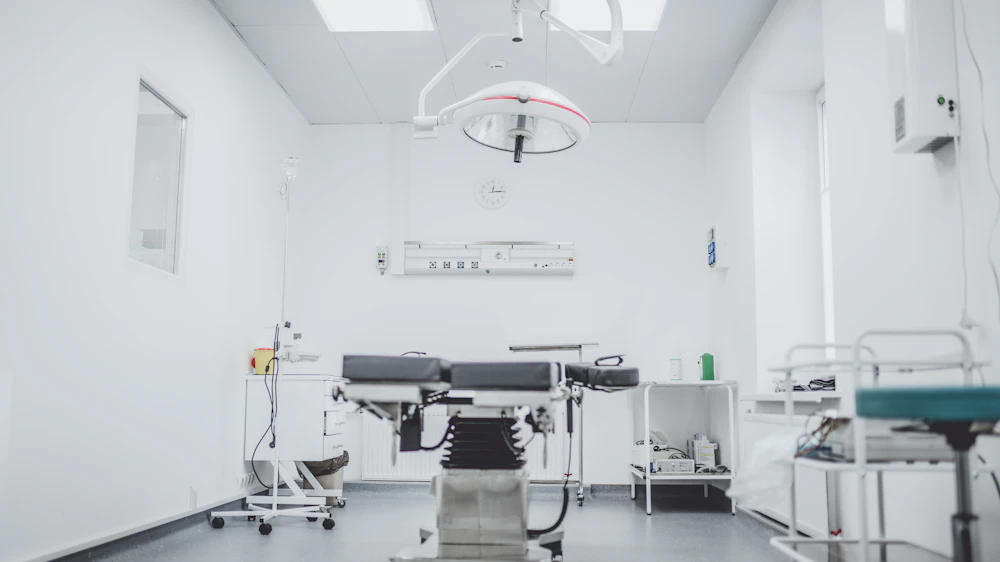

Shape-Sensing Fiber
Measures the shape of the catheter 100s of times per second for continuous position feedback.
What is Robotic-Assisted Bronchoscopy?
Robotic-assisted bronchoscopy (such as the Intuitive Ion™ system) is a state-of-the-art, minimally invasive procedure used to sample small, hard-to-reach nodules deep inside the lungs.
Traditionally, small lung nodules required either watchful waiting or more invasive needle biopsies through the chest wall, carrying higher risk of lung collapse. Robotic navigation combines 3D virtual mapping with flexible robotic controls to reach distant airways safely.
-
Unmatched Precision
Navigates narrow, complex peripheral airways where standard scopes cannot go.
-
Minimal Risk Profile
Significantly lower risk of pneumothorax (collapsed lung) compared to transthoracic needle biopsy.
-
Faster Answers, Sooner Treatment
Enables early diagnosis of lung cancer when it is most treatable and curable.
How Robotic Navigation Works
Explore the key technological pillars that power robotic-assisted lung biopsies.
3D CT Virtual Mapping
Before the procedure, a thin-slice CT scan of your lungs is loaded into specialized software. The system generates a digital 3D map of your unique bronchial tree, plotting the precise path to the nodule.
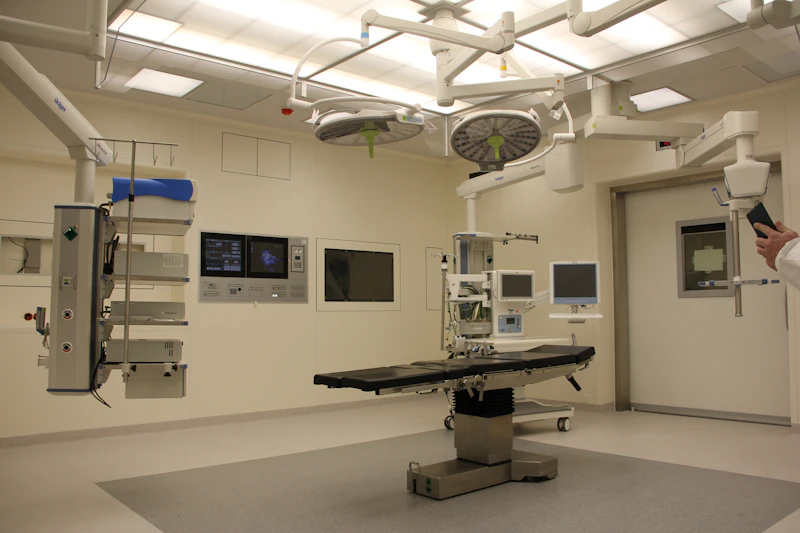
Ultra-Thin Articulating Catheter
The robotic catheter measures just 3.5mm in outer diameter and can rotate 180 degrees in all directions. Controlled via a sleek controller, it bends around tight airway turns with millimeter exactness.
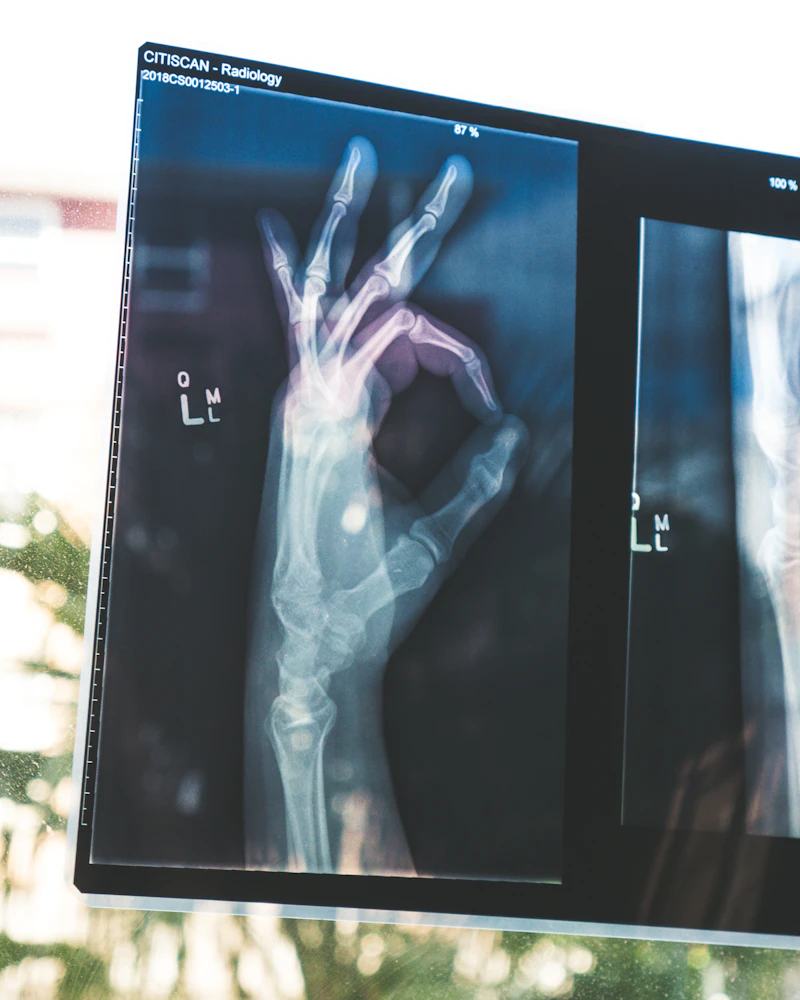
Real-Time Sample Acquisition
Once locked into place at the lesion, diagnostic tools (like needles, forceps, or cytology brushes) are passed through the catheter to obtain tissue samples. Cone-Beam CT or Fluoroscopy confirms accurate placement.
Step-by-Step Procedure Guide
What to expect before, during, and after your robotic bronchoscopy.
Pre-Procedure CT Scan
A recent low-dose CT scan is analyzed by our pulmonary team to create a personalized digital roadmap of your lung airways.
Outpatient Anesthesia
You will be comfortably placed under general anesthesia in an outpatient setting, ensuring zero discomfort during navigation.
Robotic Navigation & Biopsy
The physician guides the robotic catheter down the natural airways directly into the nodule, taking precise micro-samples.
Same-Day Recovery
After a short monitoring period in recovery, most patients go home the very same day with minimal to no sore throat.
How Does It Compare?
Evaluating robotic bronchoscopy against traditional diagnostic approaches for lung nodules.
| Diagnostic Feature | Robotic-Assisted Bronchoscopy | Transthoracic Needle Biopsy (TTNA) | Traditional Bronchoscopy |
|---|---|---|---|
| Reach in Outer Lungs | Deep Peripheral Access | Direct Access | Central Airways Only |
| Complication Rate (Pneumothorax) | Very Low (< 3%) | High (15% - 25%) | Low (< 2%) |
| Diagnostic Yield for Small Nodules | High (85% - 93%) | High (85% - 90%) | Low (30% - 50%) |
| Concurrent Lymph Node Staging | Yes (with EBUS) | No | Yes |
Educational Videos
Watch interactive overviews and physician explanations of robotic lung technology.
Understanding Robotic Bronchoscopy
Learn how shape-sensing fiber optic technology enables precise navigation to small nodules.
Intuitive Ion System Overview
An in-depth look at the ultra-thin, fully articulating robotic catheter technology.
Saving Lives Through Early Detection
Patient perspective on how non-invasive robotic biopsies lead to early diagnosis.
Frequently Asked Questions
Get answers to standard queries regarding candidacy, recovery, and safety.